

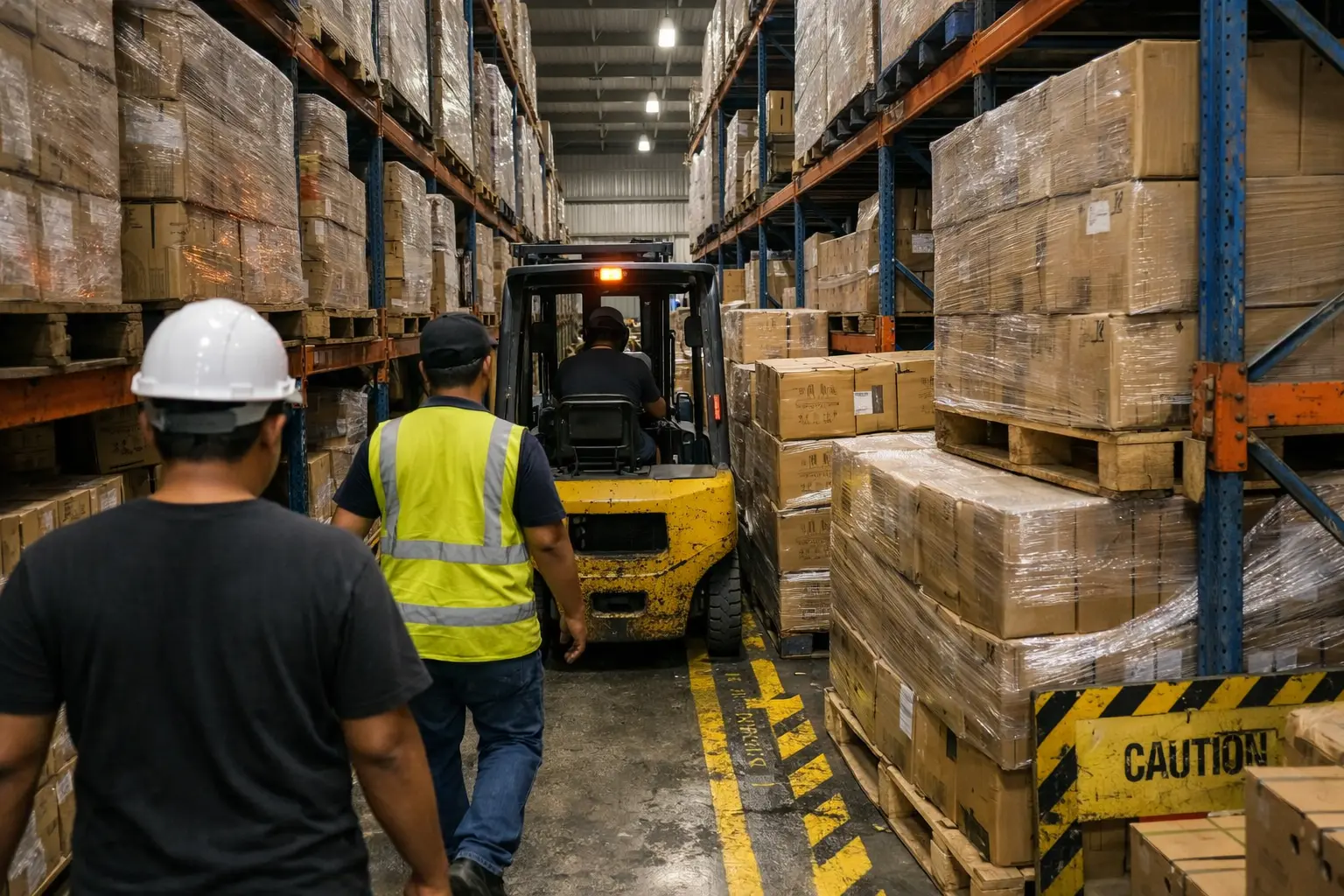
Warehouses are busy operational environments where goods are stored, moved, and handled daily. Activities such as forklift operations, loading and unloading, and manual handling take place continuously within limited spaces. Because of this, the design and layout of warehouse facilities play a critical role in maintaining a safe working environment.
When warehouse infrastructure is poorly planned, it can create unnecessary safety risks for workers and equipment operators. Narrow access routes, poor traffic flow, and inadequate safety considerations can increase the likelihood of accidents and operational disruptions. Proper infrastructure planning therefore becomes essential in ensuring both workplace safety and operational efficiency.
Common Warehouse Design Mistakes
Several design shortcomings can contribute to safety hazards in warehouse environments. These issues often arise when facilities are constructed or modified without considering operational workflows and safety requirements.
Narrow traffic lanes. Warehouses that do not allocate sufficient space for forklift movement may create congestion and increase the risk of collisions between vehicles or with pedestrians.
Poor traffic flow planning. When vehicle routes and pedestrian walkways are not clearly separated, the likelihood of accidents increases. Proper traffic planning is necessary to minimise interaction between moving equipment and workers.
Inadequate lighting. Poor lighting conditions can reduce visibility within storage areas and loading bays, making it difficult for operators to safely navigate equipment or identify potential hazards.
Insufficient loading and unloading space. Loading bays that are too small or poorly designed may cause operational bottlenecks, leading to unsafe vehicle movements and increased handling risks.
Improper flooring and drainage. Uneven floors or poor drainage systems can create slippery surfaces or water accumulation, increasing the risk of slips, trips, and falls.
Safety Risks Caused by Poor Infrastructure Design
Poor warehouse design can lead to several workplace safety incidents if the infrastructure does not adequately support operational activities.
One of the most common risks involves vehicle collisions. Forklifts and other material handling equipment require sufficient turning space and clear traffic routes. Without proper layout planning, vehicle operators may struggle to manoeuvre safely within the warehouse.
Another risk is falling objects from storage racks. In congested storage areas, improper stacking or insufficient clearance can increase the chance of goods falling during handling operations.
Slips, trips, and falls are also frequent hazards in poorly designed facilities. Damaged flooring, uneven surfaces, or water accumulation can create unsafe walking conditions for workers.
Importance of Proper Warehouse Infrastructure Planning
Effective warehouse design focuses on both operational efficiency and workplace safety. Proper planning ensures that vehicle routes, pedestrian walkways, storage areas, and loading zones are clearly defined and organised.
Well-designed warehouses provide sufficient space for equipment movement, adequate lighting for visibility, and durable flooring that supports heavy loads and frequent traffic. Drainage systems and floor conditions must also be designed to prevent water accumulation and maintain safe walking surfaces.
By integrating safety considerations into infrastructure planning, businesses can reduce accident risks while improving overall workflow efficiency. Safe warehouse environments not only protect workers but also support smoother operations and long-term facility reliability.
If your facility requires infrastructure improvements or layout upgrades, professional planning and construction expertise can help create safer and more efficient industrial environments. Learn more about our Civil Construction & Infrastructure Works and how we support reliable infrastructure development.