
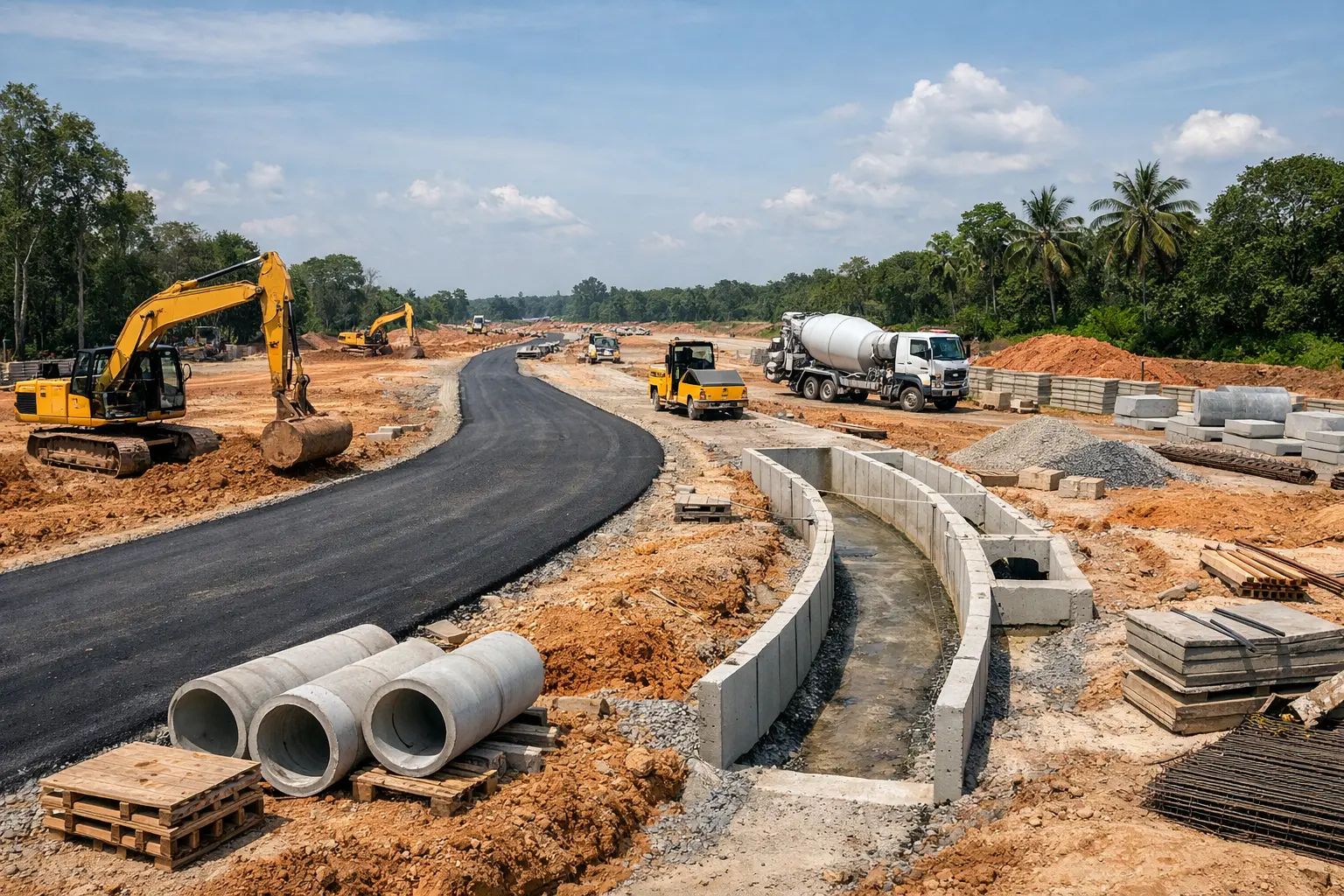
Civil infrastructure projects such as roads, drainage systems, and public facilities play an essential role in supporting economic activity and community development. These projects often involve significant investment, complex planning, and coordination among multiple stakeholders. Ensuring the successful delivery of infrastructure works therefore requires careful attention to several key factors throughout the project lifecycle.
From planning and design to construction and maintenance, a well-managed infrastructure project must balance technical requirements, safety considerations, and long-term sustainability. Understanding the critical elements that contribute to successful civil construction projects helps reduce risks, improve efficiency, and ensure that infrastructure performs reliably for years to come.
Comprehensive Planning and Site Assessment
Successful infrastructure projects begin with thorough planning and site evaluation. Before construction work starts, engineers and project planners must assess site conditions such as soil characteristics, drainage patterns, environmental constraints, and surrounding infrastructure.
Proper site assessment allows engineers to determine the most suitable construction methods and materials. For example, soil investigation helps identify whether the ground can support the intended structure or whether additional ground improvement measures are required. Without adequate planning, projects may face structural issues, delays, or costly redesign during construction.
Quality Materials and Construction Standards
The durability and performance of infrastructure largely depend on the quality of materials used and the standards followed during construction. Roads, drainage systems, and structural components must be built using materials that meet established engineering specifications.
Equally important is proper workmanship and adherence to construction procedures such as compaction control, reinforcement placement, and surface finishing. Following recognised construction standards helps ensure that infrastructure elements can withstand environmental exposure, traffic loads, and long-term operational demands.
Effective Project Management and Coordination
Civil infrastructure projects typically involve multiple teams including engineers, contractors, suppliers, and regulatory authorities. Effective coordination among these parties is critical to maintaining project timelines, budgets, and quality objectives.
Strong project management ensures that work activities are properly scheduled, resources are allocated efficiently, and potential issues are addressed promptly. Clear communication between stakeholders also helps reduce misunderstandings and ensures that project requirements are consistently met throughout the construction process.
Long-Term Maintenance and Sustainability
Infrastructure should not only be designed for immediate use but also for long-term durability and sustainability. Proper maintenance planning helps extend the lifespan of roads, drainage systems, and other civil structures while reducing long-term operational costs.
Routine inspections, preventive maintenance, and timely repair works help prevent minor issues from developing into major structural problems. By integrating maintenance considerations during the planning stage, infrastructure projects can continue serving communities safely and efficiently for many years.
If you are planning a civil infrastructure project, professional planning and construction expertise can make a significant difference in project success. Learn more about our Civil Construction & Infrastructure Works and how we support reliable infrastructure development.