

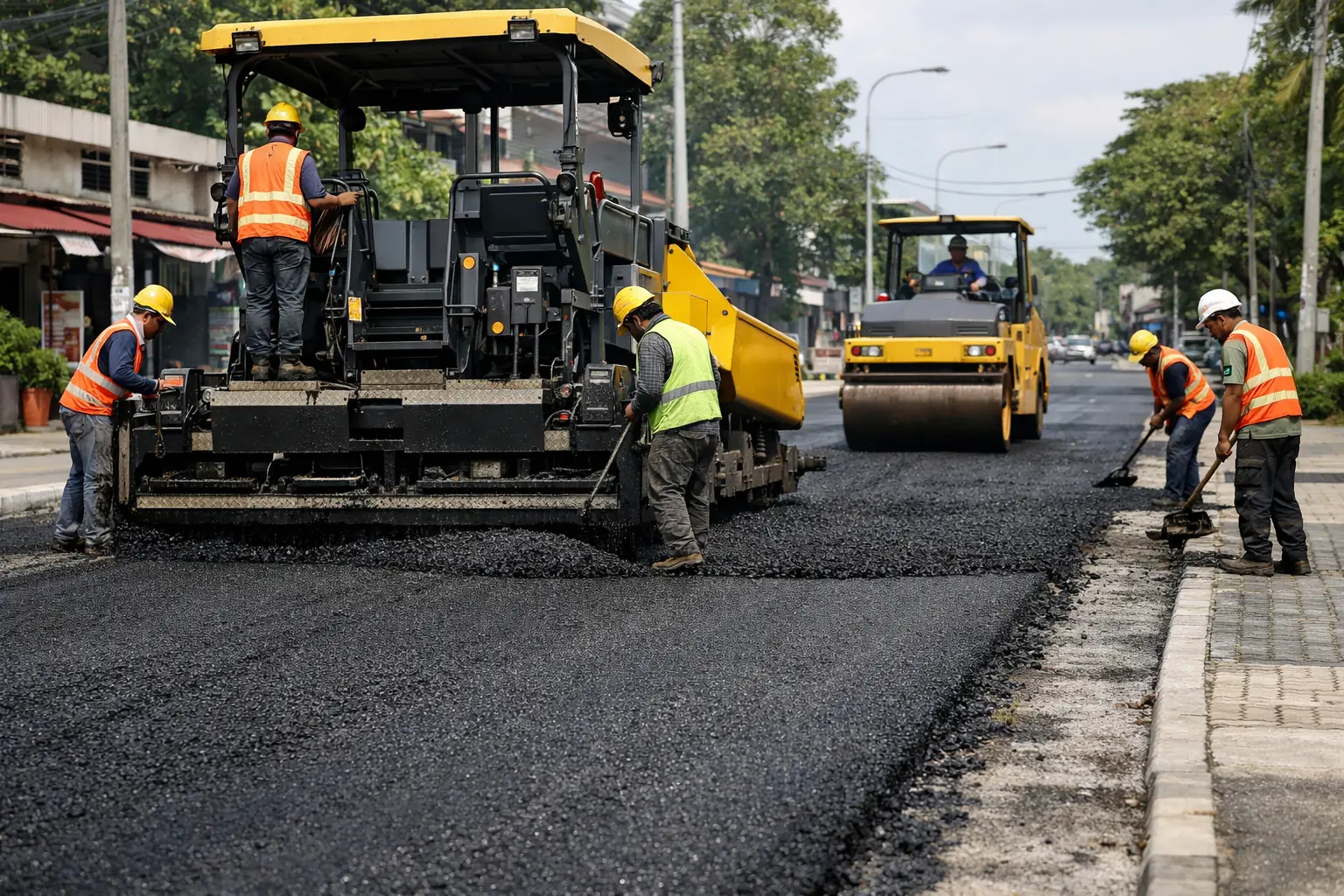
Asphalt roads are widely used because they provide smooth driving surfaces and can be constructed relatively quickly. However, like all infrastructure, asphalt pavements gradually deteriorate over time due to traffic loads, weather exposure, and natural aging of materials. When road surfaces begin to show signs of wear, timely maintenance is essential to restore performance and prevent further damage.
One of the most common methods used to restore aging asphalt roads is resurfacing. Asphalt resurfacing is a practical solution that improves road conditions while extending the lifespan of existing pavement without requiring full reconstruction.
What Is Asphalt Resurfacing?
Asphalt resurfacing involves placing a new layer of asphalt over an existing road surface to restore its functionality and appearance. Instead of removing the entire pavement structure, the existing surface is prepared and a fresh asphalt layer is applied on top.
This process helps smooth out minor surface defects, improve ride quality, and strengthen the upper layer of the pavement. Before resurfacing takes place, contractors usually repair visible defects such as cracks or potholes to ensure the new layer bonds properly with the existing pavement.
In many cases, a milling process may also be performed to remove the worn surface layer before applying the new asphalt overlay. This ensures that the resurfaced road maintains the correct elevation and drainage characteristics.
Signs a Road Needs Resurfacing
Resurfacing is typically recommended when the pavement structure remains relatively stable but the surface layer has begun to deteriorate. Identifying these signs early allows road owners to take action before more serious structural damage occurs.
Widespread surface cracking. When cracks begin appearing across large sections of the pavement, it often indicates that the asphalt surface has aged and lost flexibility.
Frequent pothole formation. If potholes continue to appear even after patch repairs, the surface layer may be reaching the end of its service life.
Uneven road surfaces. Areas that feel rough or uneven while driving may indicate that the pavement surface has deteriorated due to repeated traffic loads.
Rutting in wheel paths. Depressions forming along vehicle wheel tracks can indicate surface wear caused by heavy traffic over time.
Benefits of Asphalt Resurfacing
Asphalt resurfacing offers several advantages compared to more extensive rehabilitation methods. By restoring the top layer of the pavement, resurfacing can significantly improve road conditions while preserving the underlying structure.
One of the main benefits is cost efficiency. Resurfacing is generally more affordable than full road reconstruction because the existing pavement layers remain in place. The construction process is also faster, which minimizes disruptions to traffic and surrounding activities.
In addition to improving driving comfort, resurfacing enhances road safety by providing a smoother and more uniform surface. Proper resurfacing also helps extend the lifespan of the road by protecting the underlying layers from further deterioration.
If your road surfaces are showing signs of aging or surface damage, professional resurfacing may be an effective solution. Learn more about our Road Maintenance & Repair services and how we help maintain durable and reliable road infrastructure.